Historic Preservation and Conservation Policies
Preservation Policy is more than architectural guidelines. It is a tool to help communities manage local built and natural resources to ensure that the history of a place is not forgotten. Using a variety of land use approaches - from building and zoning codes to conservation easements and scenic vista laws, states and municipalities can support policies that impact local cultural resources.
The Secretary of the Interior’s Standards for Historic Preservation: These guidelines, promulgated by the National Parks Service, guide the work of historic preservation field.
Model Historic Preservation Law (NYS): Resource by the Preservation League of New York State that helps municipalities update and modify their local preservation laws to continue protecting their historic buildings and cultural heritage, as well as guidelines for architecture modifications.
Neighborhood Conservation District and Historic Preservation Overlay Zone: offer community--based solutions aimed at protecting an area’s distinctive character - areas located in residential neighborhoods with a distinct physical character. Although these neighborhoods tend not to merit designation as a historic district, they warrant special land--use attention due to their distinctive character and importance as viable, contributing areas to the community at large. Examples from Preservation North Carolina and LA Conservancy. Read more here.
Conservation Easements: Resource for conservation land easements in New York State. Easements are voluntary, legal protections that help preserve cultural resources and the landscape of an area of land to restrict future developments in the area.
What is a Conservation Easement?: Informative guide on the environmental benefits of conservation easements for preserving public lands, also includes stories of previous successful conservation easements and an easement database.
Easements, Covenants, and Preservation Agreements: Guide from the National Park Service that covers the legal differences between easements, covenants, and preservation agreements that are used to protect public lands. (Includes a legal preservation easement agreement template for a historic preservation property fund grant to a historic subject property.)
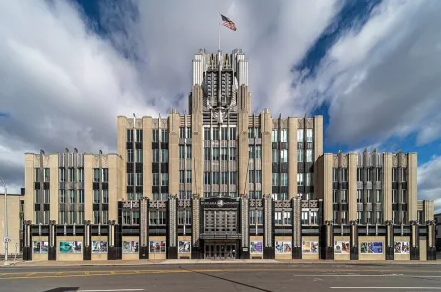
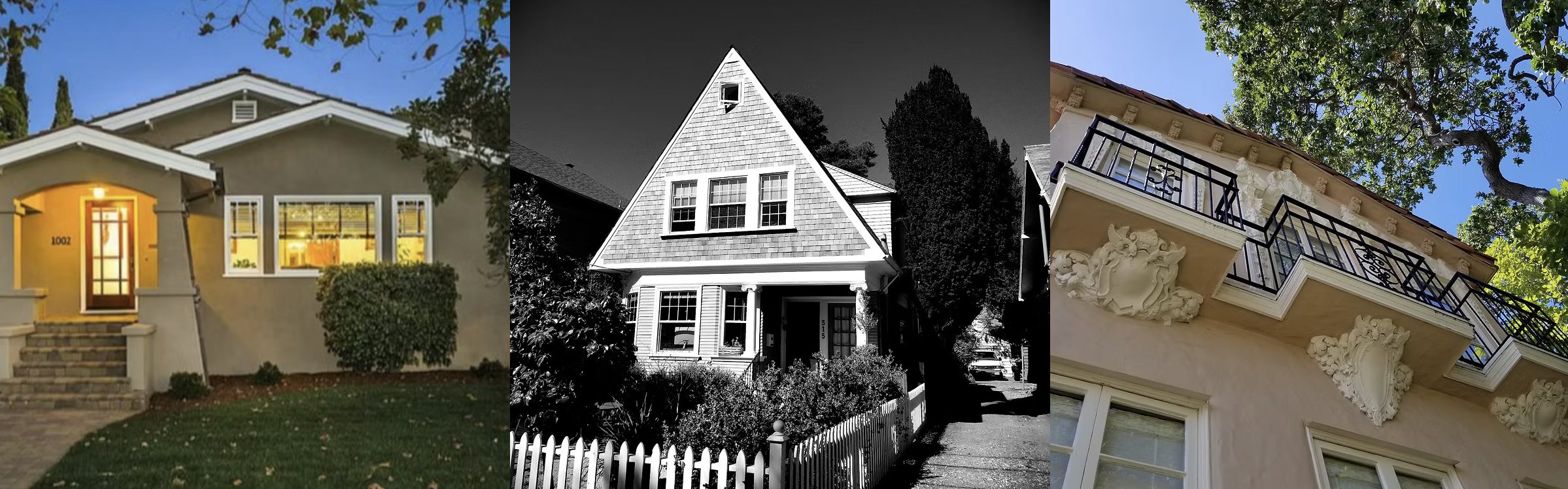
List of local, state and national agencies supporting preservation activities through research, education, policy development, planning and resource management.
Historic Preservation Organizations:
New York City and Long Island
Friends of the Upper East Side - Friends of the Upper East Side is a neighborhood preservation advocacy organization focused on protecting the architectural and cultural heritage of Manhattan’s Upper East Side through research, education, and landmark designation efforts.
Historic Districts Council - The Historic Districts Council advocates for New York City’s historic neighborhoods, buildings, and public spaces through offering technical and strategic support to community organizations across the city.
Historic House Trust of New York City - The Historic House Trust of New York City supports and advocates for New York City’s publicly owned historic houses, working in partnership with NYC Parks to maintain, interpret, and promote these sites.
Landmark West! - Landmark West! is a nonprofit organization dedicated to preserving the architectural heritage of Manhattan’s Upper West Side through advocacy, research, and community engagement.
New York Landmarks Conservancy - The New York Landmarks Conservancy works on preserving and protecting New York’s architectural heritage through financial assistance, technical support, and advocacy. The New York Landmarks Conservancy provides grants and loans, supports sacred sites, and working with historic properties.
NYC LGBT Historic Sites Project - The NYC LGBT Historic Sites Project documents and interprets sites associated with LGBTQ+ histories in New York City, aiming to increase protection and education about these underrepresented sites.
The Municipal Art Society of New York - The Municipal Art Society of New York is an advocacy nonprofit organization dedicated to protecting New York City’s built environment through preservation, planning, and public policy initiatives. MAS promotes thoughtful urban design and community-driven programs across New York City.
Village Preservation - Founded in 1980, Village Preservation advocates, documents, and protects Greenwich Village, NoHo, and the East Village’s architectural and cultural histories.
LONG ISLAND
Preservation Long Island - Preservation Long Island works to preserve and interpret historic places across Long Island through increased advocacy and education of historic properties.
Historic Preservation Organizations:
State and Federal
New York State’s Cultural Resource Information System (CRIS): CRIS is the State Historic Preservation Office’s cultural resource management system and GIS system, providing a statewide map of historic properties, projects, and surveys.
New York State Historic Preservation Office - The agency helps communities identify, evaluate, preserve and revitalize their historic, archaeological, and cultural resources..
New York Preservation Archive Project - The New York Preservation Archive Project documents and shares the history of the historic preservation movement in New York State, through oral histories, archival resources, and educational programming.
Preservation League of New York State - The Preservation League of New York State is a statewide nonprofit organization that promotes the protection and revitalization of New York State’s historic buildings and communities through advocacy, technical assistance, and education programs.
NATIONAL
National Parks Service - founded in 1916 under the National Park Service Organic Act, NPS serves to conserve the scenery and natural and historic objects and the wild life found within out nation’s national parks so as to leave them unimpaired for the enjoyment of future generations.
National Trust for Historic Preservation - through stewardship and revitalization of historic sites, the Trust helps foster economic growth, create healthier environments and build stronger, shared sense of civic duty and belonging.
National Preservation Atlas - By synthesizing, correcting, digitizing and creating preservation data, this atlas begins to Illuminate the breadth of our nation’s tangible, shared history and, in so doing, encourage its protection. The atlas contains information on types and locations of historic properties and their protections.